Amyotrophic lateral sclerosis (ALS)
The CallerAmyotrophic lateral sclerosis (ALS) is an incurable disease of the central nervous system in the novel, described through Helge Landmark’s rapid physical decline and Sejer’s sudden, personal fear of the same illness. Its presence makes mortality more than a medical fact: for Helge it shapes each day of life, while for Sejer even ordinary bodily sensations become newly alarming.
Disease and Course
Sejer reads that ALS attacks nerve cells in the spinal cord and brain, has no cure, and can only be treated symptomatically. Its progression can impair speech and swallowing; in some cases it begins asymmetrically, with weakness or clumsiness in one hand. As the muscles used for breathing weaken, patients die from weakened lungs. The account presents the illness as both variable in its first signs and relentlessly life-threatening in its outcome.
Helge Landmark’s Decline
Helge had developed ALS only six months before Sejer reads about it, and his disease is progressing quickly. His condition is rendered through the practical limits imposed on his body: he is in a wheelchair, dependent on a catheter and an oxygen tank, and has little strength. The diagnosis is not an abstract explanation but the circumstance in which he must live.
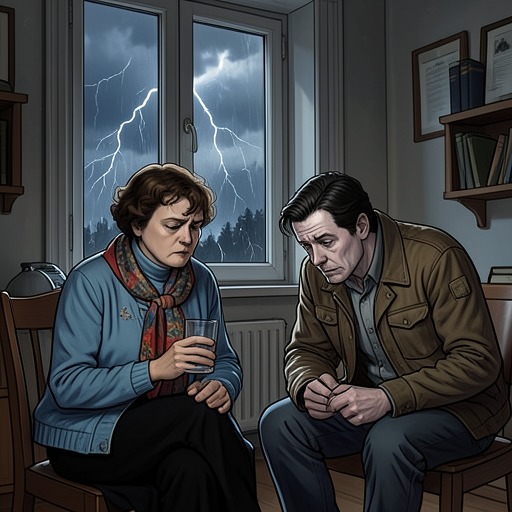
That limitation becomes especially stark after Helge asks his wife for cognac. The drink briefly gives him pleasure and an uplifting sense of being alive; then it knocks him out, and he feels himself fall back into the reality of the wheelchair, catheter, oxygen, and weakness. The brief lift does not change his condition, but its contrast with the physical collapse makes the lost freedom tangible. When Sejer asks who knows that Helge is ill, Helge is too impaired to respond.
Sejer’s Fear
While reading about ALS, Sejer abruptly wonders whether his own passing dizzy spells and subsequent loss of balance might be asymmetric symptoms. The possibility overwhelms him enough that he gasps for air. The fear arises not from a diagnosis or new medical evidence about himself, but from recognizing his experiences in the description of a disease that has already devastated Helge.
The parallel links the men through age while emphasizing their sharply different physical circumstances: Sejer sees in Helge a life being rapidly diminished, then imagines that the same threat might reach him. ALS therefore enters the narrative both as Helge’s concrete, fast-progressing illness and as the focus of Sejer’s apprehension about his own body and mortality.